 QuizScreen
Evidence-based guide
A Practical Guide to Digital Distraction While Studying
Digital distraction is not one behavior. Notifications, automatic app checks, unclear tasks, browser tabs, messages, and genuine course needs require different responses.
Tested workflow
How to set it up
- 1Use Screen Time and a one-week study log to identify the actual interruptions.
- 2Separate required tools from optional and distracting apps.
- 3Protect one repeatable focus block with environmental and software barriers.
- 4Schedule communication and entertainment checks.
- 5Compare the next week using the same measures and keep only changes that help.
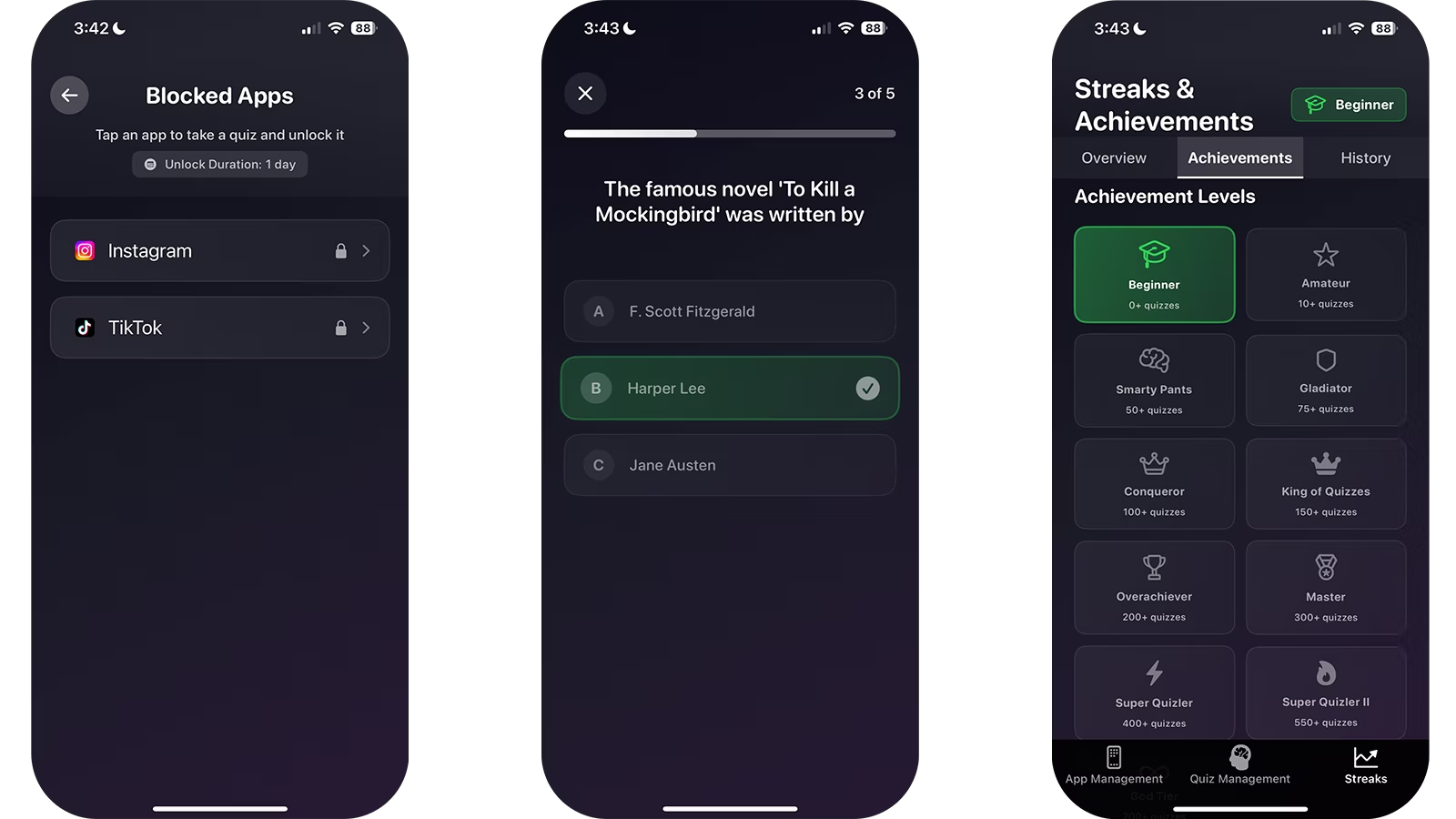
Match the intervention to the interruption
Disable nonessential notifications for notification-driven checks. Move the phone for visual cues. Use app blocking for repeated automatic opens. Clarify the next action when avoidance begins with a difficult or vague task.
Measure behavior without overinterpreting it
Screen Time can show duration and pickups, but it cannot tell you whether every minute was harmful or whether a study session was effective. Combine device data with a simple record of planned and completed work.
Limitations and fit
- Screen-time totals do not distinguish every productive and unproductive use.
- Observational and laboratory studies do not prove one universal effect for every student.
- Serious distress or compulsive behavior may require support beyond a productivity tool.
Questions and answers
Is all screen time bad for studying?
No. Course platforms, accessibility tools, communication, research, and practice software can all be useful. Focus on unplanned interruptions.
What should I measure?
Track a small set: planned work completed, distracting-app checks during study, and total protected study blocks.
Sources
- Use Screen Time on your iPhone and iPad — Apple Support
- Smartphones and Cognition: A Review of Research Exploring Mobile Technology Habits — Frontiers in Psychology
- Brain Drain: The Mere Presence of One’s Own Smartphone Reduces Available Cognitive Capacity — Journal of the Association for Consumer Research