 QuizScreen
Open research protocol
Student Phone Distraction Survey Protocol
QuizScreen has published this protocol before recruiting participants. The planned survey will accept consenting US students aged 18 or older, collect no direct identifiers, distinguish QuizScreen users from non-users, and publish aggregate findings only after at least 200 valid responses. Current valid responses: zero; current findings: none.
Tested workflow
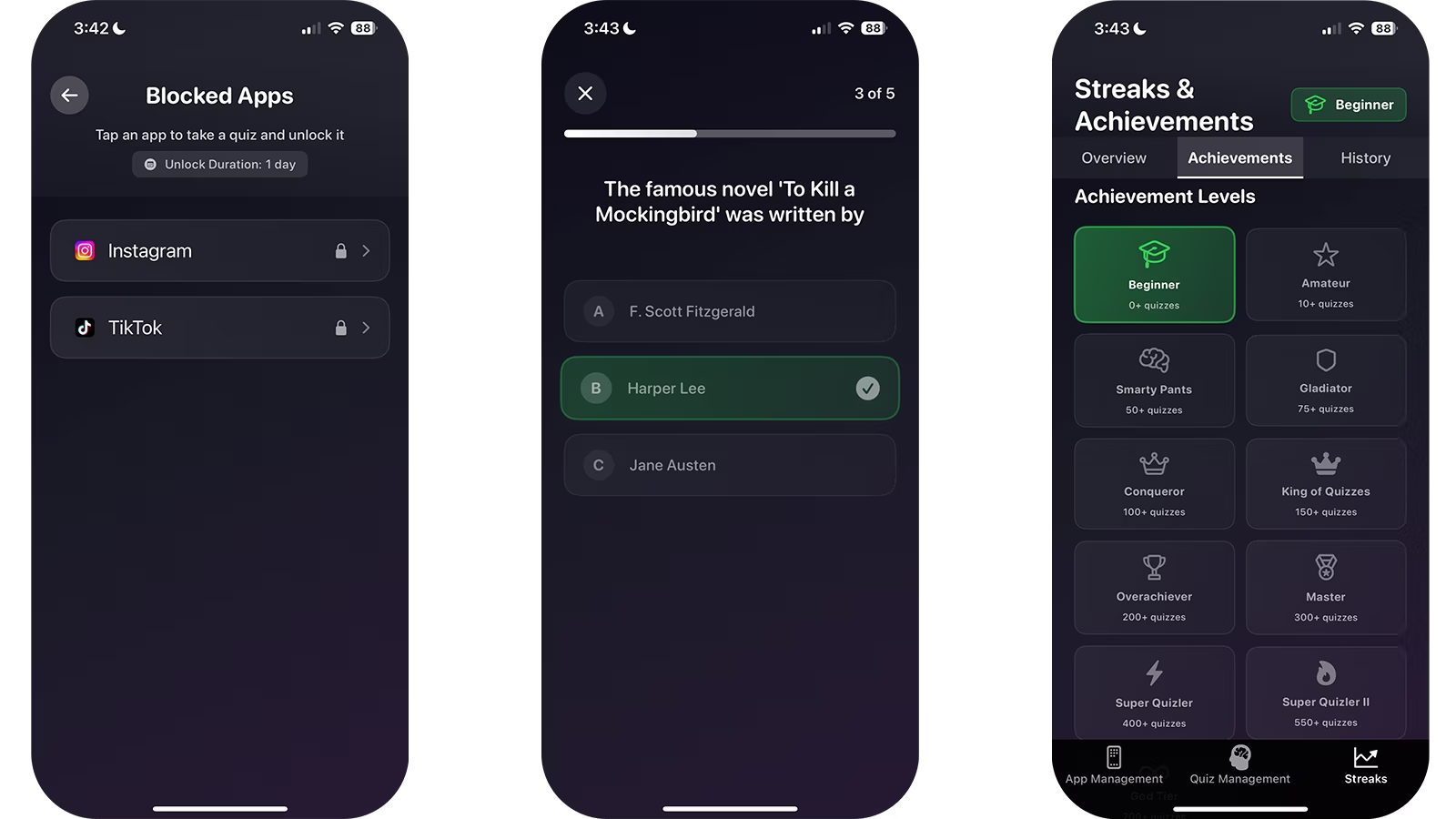
How to set it up
- 1Publish the questionnaire and analysis plan before recruitment.
- 2Recruit consenting US students aged 18 or older without targeting only QuizScreen users.
- 3Collect no names, email addresses, precise locations, or device identifiers in the survey response.
- 4Publish aggregate results only after at least 200 valid responses.
- 5Report exclusions, missing data, sample limitations, and the complete anonymized questionnaire.
Planned questions
The survey will ask about study hours, self-reported phone checks during study, the most distracting app categories, blocking methods tried, and perceived—not clinically measured—focus.
QuizScreen usage will be a separate optional question so the report can distinguish product users from non-users.
Current research status
Status: protocol published; recruitment not started; valid responses: 0; findings: none. This page will retain a dated change log when recruitment begins.
Firsthand evidence
Limitations and fit
- A self-selected online sample cannot represent every student.
- Self-reported checks and focus are not equivalent to device logs or validated clinical measures.
- QuizScreen has a commercial interest and will disclose that interest with any future report.
Questions and answers
Why publish the protocol before the results?
Pre-publishing the questions, threshold, and analysis rules reduces the temptation to rewrite the method around a preferred result.
Are there findings yet?
No. The current valid response count is zero, so this page makes no survey-result claims.
Sources
- Smartphones and Cognition: A Review of Research Exploring Mobile Technology Habits — Frontiers in Psychology
- Brain Drain: The Mere Presence of One’s Own Smartphone Reduces Available Cognitive Capacity — Journal of the Association for Consumer Research